From Care to Cure
50 million people live with wounds that won’t heal. Despite decades of progress in other fields, wound care has remained a device market without a pharmaceutical solution.
50 million people live with wounds that won’t heal. Despite decades of progress in other fields, wound care has remained a device market without a pharmaceutical solution.
To bring pharmaceutical medicine to wound care — turning a market built on management into one built on healing.
The 5-year mortality rate for an unhealed diabetic foot ulcer is estimated at around 30% — comparable to many forms of cancer. A lower limb is lost to amputation approximately every 20 seconds worldwide. Yet the standard of care remains absorbent dressings — devices that manage symptoms without addressing the underlying pathology.
New drugs approved for cancer
in the last 25 years
FDA-approved pharmaceutical wound healing
treatments in the same period
The NIH spends an estimated ~15% of its budget on cancer research — roughly $7.6 billion a year. By comparison, wound healing research receives approximately 0.1% — around $30 million. A 240:1 funding ratio, for a condition with comparable mortality.
Of total global wound care spending, up to 90% is consumed by labour — endless nurse visits and dressing changes. Only 6% goes to products. The entire model is built around devices that manage wounds. No one has built the pharmaceutical that heals them.
The wound care cost structure is dominated by clinical labour. A treatment that accelerates healing could eliminate visits — not just dressings.
Wound care consumes up to 7% of healthcare expenditure in developed nations — a burden driven by repeated clinical interventions rather than effective treatment.
Virtually no approved drugs target the underlying pathophysiology of chronic wounds. This remains overwhelmingly a device market addressing a problem that may require a pharmaceutical solution.
A young athlete with a surgical wound that won't close. A veteran whose combat injury never healed. A cancer patient with a wound that robs them of dignity. A grandmother who hasn't walked unaided in two years. Chronic wounds cut across age, background, and circumstance — and until now, virtually none of them have had access to a targeted pharmaceutical treatment.
Chronic wounds affect over 50 million people worldwide — across every age group, every demographic, every healthcare system.
For 25 years, wound care has been a device market — built on absorbent dressings that manage symptoms without treating the underlying pathology. We believe wound care needs its first pharmaceutical category. We call it Active Exudate Therapy: the medicinal modulation of wound exudate at source, designed to resolve chronic inflammation and restart physiological healing. AET is not an iteration on existing products. It is a fundamentally different approach — and ONYA is building it.
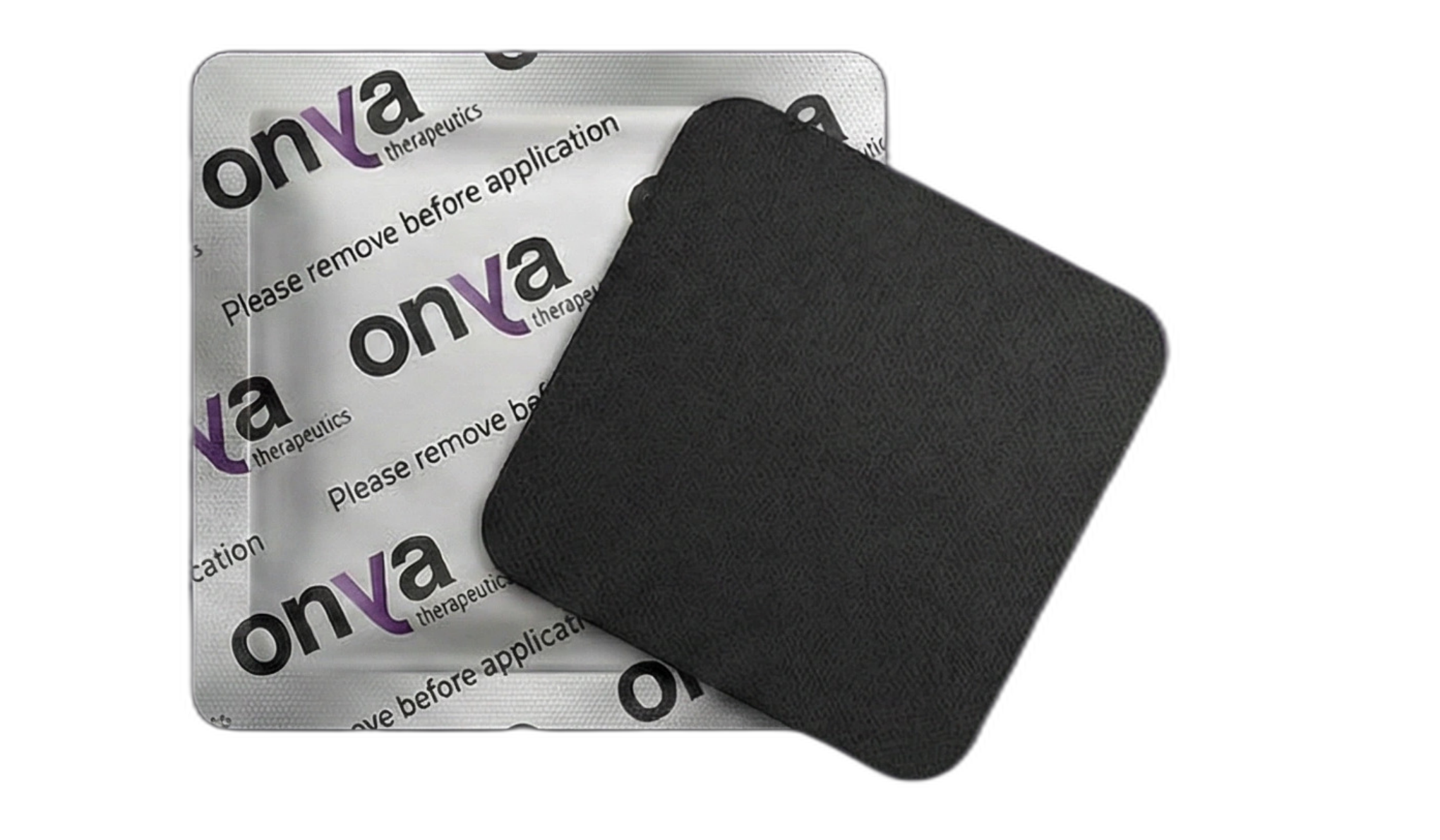
We combine a well-characterised active compound — 150+ years of safe clinical use — with a patented stabilised patch delivery system. Designed for 5–15 minute application with no incremental nurse time. Seamless workflow integration.
Astringent action is intended to reduce excessive wound fluid at the source, targeting the inflammatory cycle that can stall healing.
Broad-spectrum antimicrobial action targets pathogens through oxidation — a mechanism against which resistance development has not been observed.
Designed to create the wound environment for regeneration to resume — with the potential to reduce visit frequency significantly. Giving patients their lives back.
OTX-PP01 is designed to align incentives across the entire healthcare ecosystem — clinicians, payers, and the people who matter most.
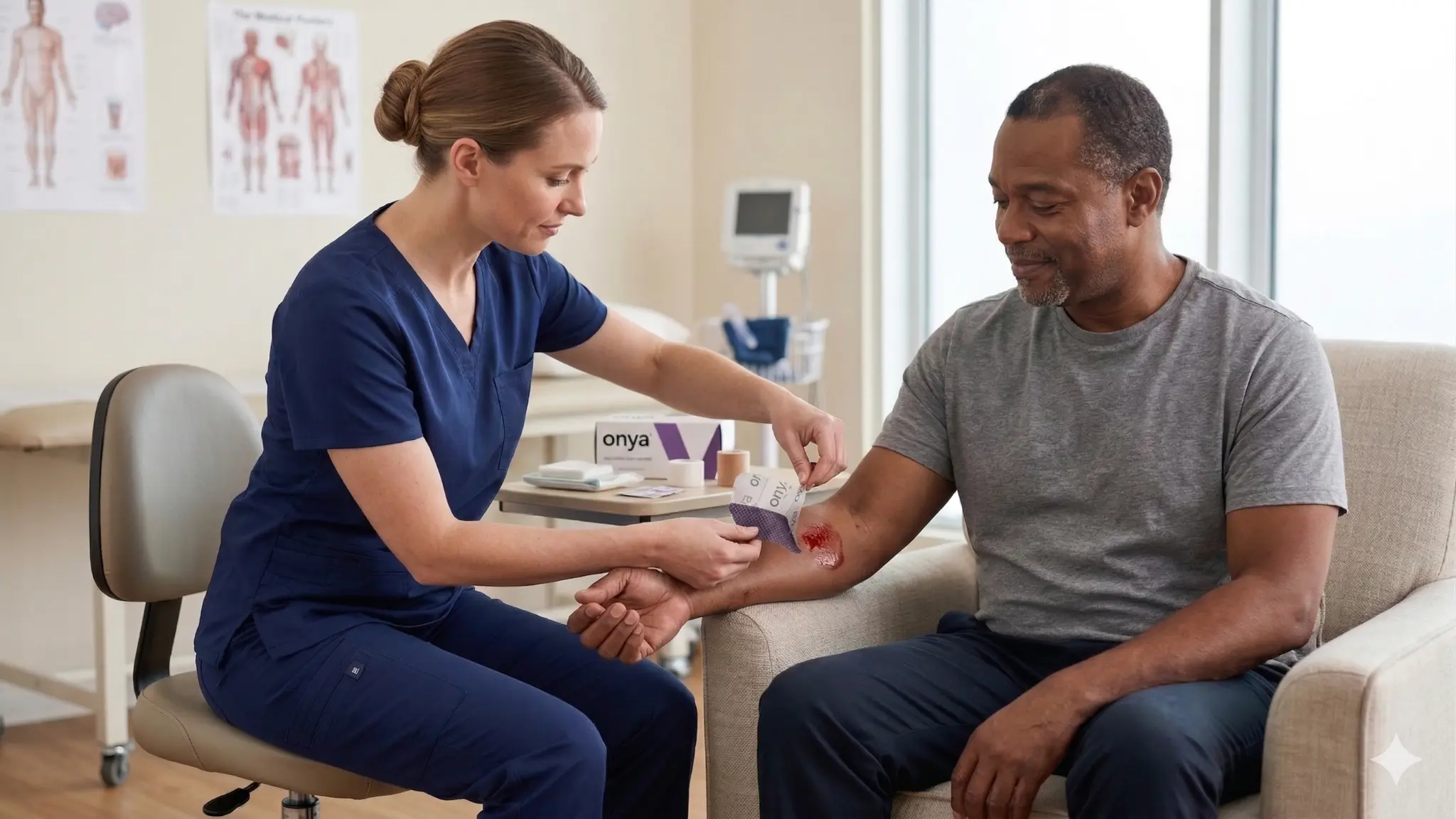
OTX-PP01 is designed to be applied during a routine dressing change. Same steps. Same workflow. Same hands. No retraining. No new equipment. Apply. Carry on with routine tasks. Remove. The patch is designed to do the rest.
District nurses in the UK spend up to 50% of their time on wound care — most of it changing dressings on wounds that aren't healing. OTX-PP01 is designed not just to treat the wound, but to free the clinician, reduce the burden on health systems, and redirect care where it's needed most.
ONYA’s patented platform stabilises and delivers a well-characterised active pharmaceutical ingredient via a silicone-based patch. OTX-PP01 is our lead programme — but the platform has been designed from the outset to generate a pipeline of purpose-built product variants, each engineered for a distinct clinical need. Same core technology. Same manufacturing infrastructure. Shared regulatory and clinical data. Multiple high-value applications.
The first pharmaceutical patch of its kind to enter clinical development for chronic wounds. Currently advancing through pre-clinical and into Phase 2 clinical trials.
Drone warfare has fundamentally changed the battlefield. Contested airspace now makes helicopter medivac impossible in many theatres, extending casualty evacuation timelines from minutes to 24–72 hours. The Golden Hour — the window in which lives are saved — is gone.
NATO allies urgently need field-deployable treatments that stabilise wounds, prevent infection, and preserve tissue until surgery is possible. ONYA is engineering a purpose-built variant of its platform for exactly this mission. We are in active engagement with defence stakeholders.
Millions of patients worldwide suffer from cancer-related wounds for which no approved treatments currently exist. These wounds cause severe pain, distress, and social isolation — yet they remain one of the most neglected areas in oncology. ONYA is extending its platform to address this significant unmet need.
The combination that turns conviction into clinical reality.


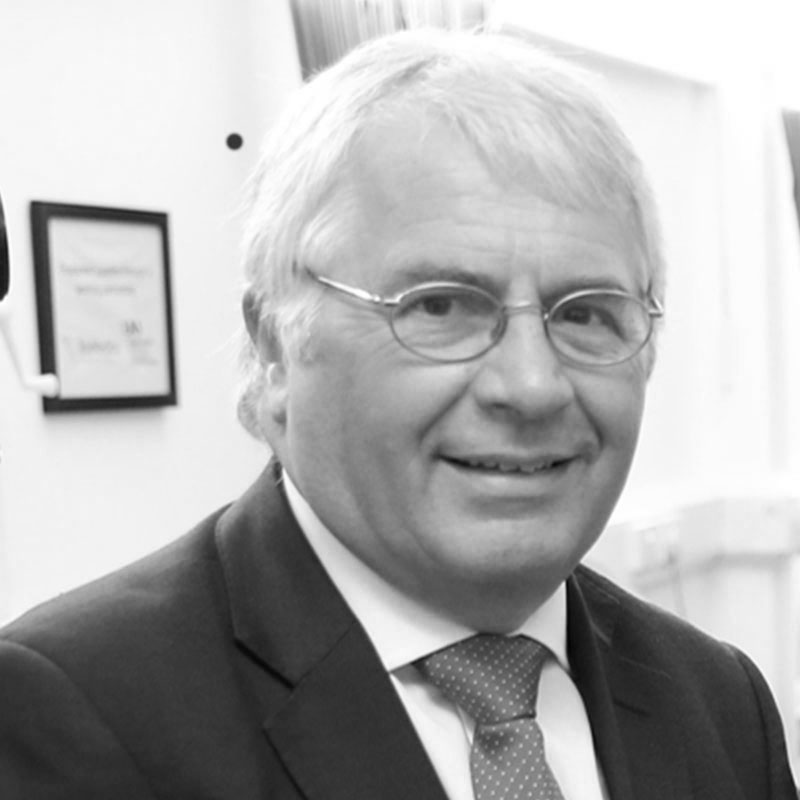
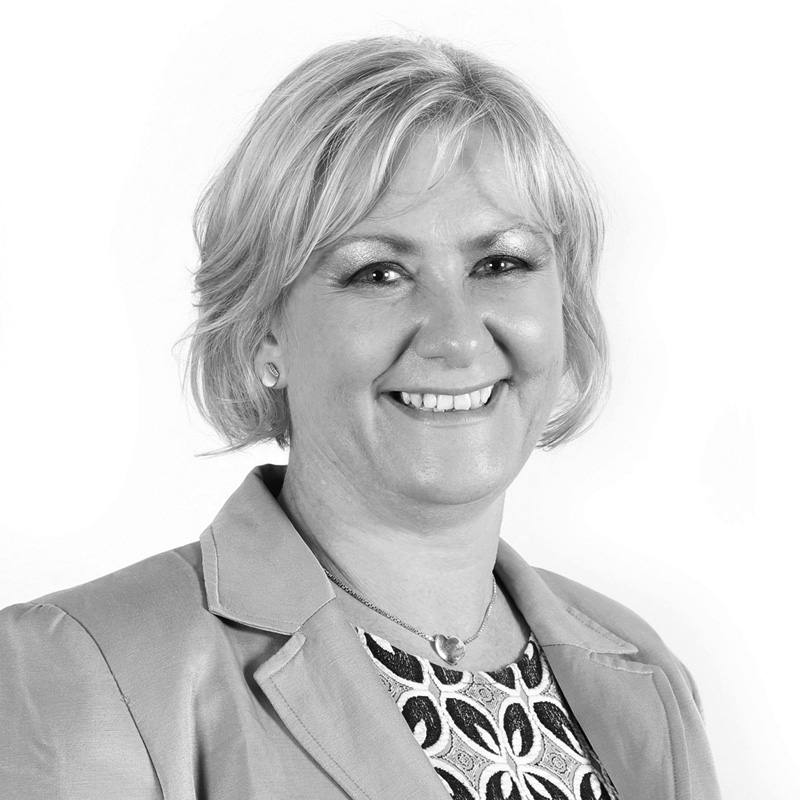
Ebbw Vale, UK — ONYA Therapeutics, a company developing investigational pharmaceutical treatments for chronic and acute wounds, today announced the successful close of a £2.6 million seed financing round.
The round was backed by the company's founders and team members, UK angel investors led by South East Angels, and investors from the US and continental Europe. Proceeds will fund the company through its Series A raise and into clinical development of OTX-PP01.
"This seed round reflects genuine conviction from people who have examined our science, our team, and our regulatory pathway in detail," said Thomas Hafner, CEO and Founder of ONYA Therapeutics. "We are building a pharmaceutical company designed to treat chronic wounds — not manage them. The support from investors across three continents gives us the runway and the mandate to execute on our Series A and move OTX-PP01 into the clinic."
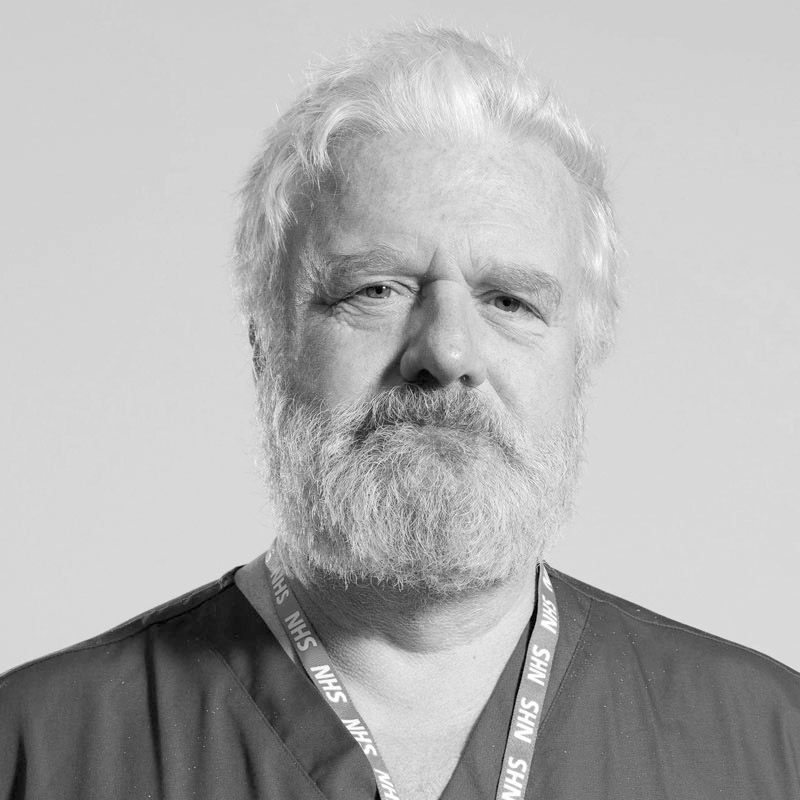
Ebbw Vale, UK — ONYA Therapeutics today announced the appointment of Professor Steven Jeffery as Chair of its Clinical Advisory Board. A distinguished consultant plastic surgeon with a decorated military career, Professor Jeffery brings unparalleled expertise in trauma, burns, and advanced wound management.
Professor Jeffery's career includes service in the Royal Army Medical Corps with operational tours in Northern Ireland, Afghanistan, and elsewhere. He is an expert adviser to the NICE Medical Technologies Evaluation Programme and an Internal Clinician at BSI.
"Steve is one of a very small number of people in the world who has treated the full spectrum of wound complexity — from battlefield trauma to chronic non-healing wounds in ageing populations," said Thomas Hafner, CEO. "His appointment signals the seriousness of our clinical ambition and the calibre of leadership we are assembling."
"The company's approach to wound care is scientifically robust and has the potential to address significant unmet needs I've witnessed firsthand throughout my career," said Professor Jeffery. "I look forward to helping guide the development of a platform that could make a real difference for both patients and clinicians."
ONYA Therapeutics Limited
The Innovation Centre, Festival Drive
Ebbw Vale NP23 8XA, United Kingdom